Picking out the right Pad Mounted Transformercan honestly feel overwhelming at first. I mean, it’s a decision that really affects how well everything runs — your efficiency, your performance, you name it. John Smith from PowerTech Solutions puts it simply: "Choosing the right Pad Mounted Transformer is so important if you want smooth energy delivery." So yeah, it’s worth taking the time to get it right.
When you're figuring out what you need, pay close attention to the specs. Things like voltage rating, how much power it can handle, and even environmental factors — they all matter big time. Every setup is a little different, and if you pick a transformer that’s not a good fit, you might end up wasting energy or dealing with operational hiccups. Also, don’t forget to consider the space available for installation and how easy it will be to get in there for maintenance.
And hey, don’t just look at the price — reliability and long-term efficiency are huge. If you’re unsure, it’s totally fine to ask for some expert advice. Remember, there’s no one-size-fits-all answer here. So, take a step back and think about what’s really important for your specific situation.
Understanding Pad Mounted Transformers and Their Applications
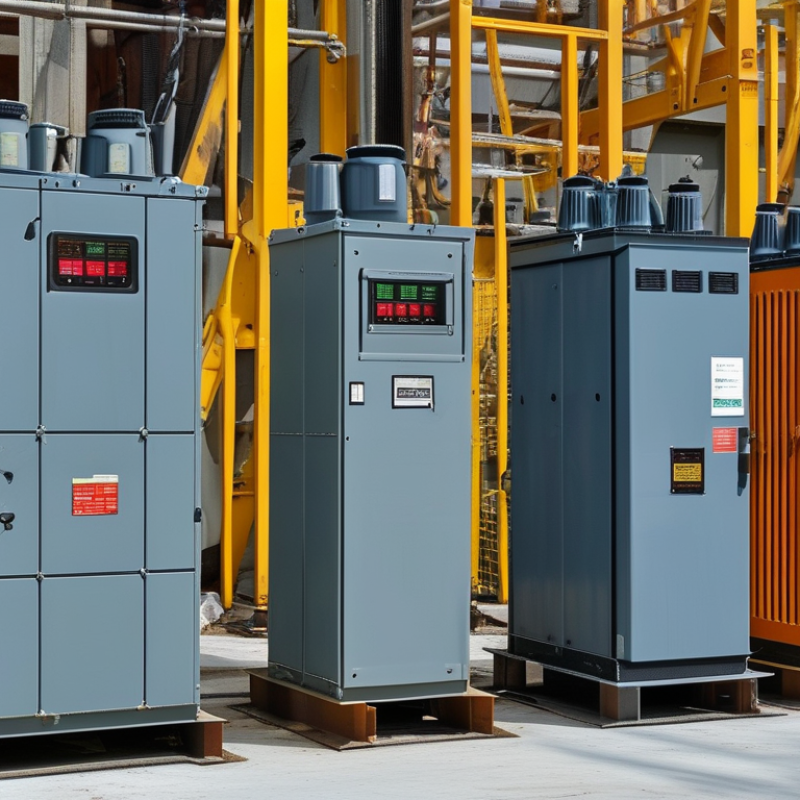
Pad mounted transformers are essential components in electrical distribution systems. They provide power to commercial buildings, schools, and outdoor facilities. These transformers are placed on concrete pads outdoors, allowing for efficient Energy Distribution without taking up valuable indoor space. Understanding how they function will guide you in selecting the right one for your specific needs.
When choosing a pad mounted transformer, consider the voltage requirements and loading capacity. Look for transformers that match your facility’s energy needs. Inspect the transformer's insulation and cooling features. Proper insulation ensures long-term performance, while effective cooling systems prevent overheating.
Ensure you assess the environment where the transformer will be installed. Factors like weather conditions and proximity to other structures can affect the transformer’s performance. Aim for a design that balances durability and accessibility.
Consider these tips. Always consult with an electrical engineer for reliable guidance. Doing thorough research on Prolec Pad Mounted Transformer can aid in making informed decisions. Think about future scalability, especially if your energy needs may increase. These considerations will ensure your transformer meets current and future demands.
Key Specifications to Consider When Choosing a Pad Mounted Transformer
When selecting a pad mounted transformer, key specifications play a crucial role. Begin with the transformer’s voltage rating, which should match your Power Distribution needs. For most applications, a voltage rating of either12kV or 25kV is common. According to industry reports, transformers with a capacity of 500 kVA to 2500 kVA are typically favored in commercial settings. Understanding these requirements is vital for maintaining efficient power supply.
Additionally, consider the transformer's insulation type. The two primary types are oil-immersed and dry-type transformers. Oil-immersed transformers offer better cooling and are commonly used outside. On the other hand, dry-type options are safer for indoor settings due to lower fire risk. Reports indicate that oil-immersed transformers have a lifespan of around 30 years, while dry-types typically last 20 years. This long-term perspective helps in making informed decisions.
Don't overlook the environmental aspects. Transformers that meet NEMA standards are more efficient and environmentally friendly. The efficiency of pad mounted transformers can significantly impact energy costs. Some reports suggest that inefficient transformers can waste up to 10% of energy. Addressing this issue may lead to practical solutions for energy savings. Consider these factors carefully to ensure optimal performance.
Assessing Load Requirements: Calculating kVA Ratings for Your Needs
When selecting a pad mounted transformer, understanding load requirements is crucial. The kVA rating directly correlates to the electrical power you need to support your operations. For instance, a commercial space with an estimated peak load of 120 kW may require a transformer with at least 150 kVA, accounting for a safety margin. The calculation is essential, as under-sizing can lead to overheating and system failure.
Industry reports highlight significant implications of load assessment errors. A study from the Electric Power Research Institute notes that improper sizing could lead to operational losses amounting to 5-15% annually. Such inefficiencies stress the importance of accurately calculating your load demands. Factors like future expansion or equipment changes can influence this. Too often, businesses underestimate these variables.
The complexity of these calculations can be daunting. They involve not just current use but also projected growth. Missteps in this area can lead to performance issues. Engaging professionals for precise assessments may seem costly upfront but can safeguard against larger expenses later. It's worth reflecting on your real needs versus estimated requirements to avoid these pitfalls.
Environmental Factors: Impact of Location on Transformer Selection
Selecting the right Pad Mounted Distribution Transformer requires careful consideration of environmental factors. The location of installation plays a vital role in determining the appropriate transformer type. For example, areas with high humidity or extreme temperatures necessitate transformers with enhanced insulation and cooling systems.
Research indicates that temperature fluctuations can affect transformer efficiency. A recent industry report notes that transformers in hotter regions may have up to a 10% decrease in performance without proper ventilation. Additionally, those placed in coastal areas face corrosion challenges due to salt intrusion. Therefore, the material selection becomes critical in mitigating these environmental risks. Up to 30% of transformer failures can be traced back to improper location assessments.
Noise pollution is another factor. Urban settings might impose restrictions based on sound levels. Some Pad Mounted Distribution Transformers can operate quietly, but it's essential to consider the local zoning regulations. Situations arise where a transformer is not the best fit due to noise concerns, even if it meets all other criteria. Proper assessment and tailored solutions can enhance reliability and extend the lifespan of the equipment.
How to Choose the Right Pad Mounted Transformer for Your Needs? - Environmental Factors: Impact of Location on Transformer Selection
| Location Factor | Impact on Transformer Selection | Recommended Transformer Type |
| Urban Area | Higher noise requirements; space constraints; aesthetic considerations. | Quiet operation transformers with compact design. |
| Remote Area | Less noise sensitivity; larger installation space; availability of maintenance. | Robust outdoor transformers with higher capacity. |
| Coastal Region | Corrosive environment; need for insulation and protective coatings. | Transformers with corrosion-resistant features and coatings. |
| High Altitude | Lower cooling efficiency; risk of overheating. | Transformers designed for high altitude operations with appropriate cooling solutions. |
| Cold Climate | Freezing temperatures may affect operation and fluid performance. | Heating components or transformers with low-temperature fluids. |
Safety Standards and Regulatory Compliance for Pad Mounted Transformers
When selecting a pad mounted transformer, safety standards and regulatory compliance are crucial. These transformers are used in residential and commercial areas where safety is non-negotiable. The National Electric Code (NEC) sets fundamental guidelines for their installation and use, emphasizing clearances and grounding requirements. The IEC 60076 series also provides international standards, focusing on transformer design and safety. Adhering to these standards can significantly reduce the risk of electrical incidents.
Environmental considerations are increasingly important. Many regions have regulations regarding noise levels and electromagnetic field emissions. According to the EPA, transformers must comply with noise reduction guidelines to minimize disturbances in residential areas. Failure to meet these standards may lead to costly fines and community backlash. Furthermore, transformers should be designed to handle the specific environmental conditions they will face, including temperature and precipitation variations.
Maintenance records play a pivotal role in maintaining compliance and safety. Regular inspections and servicing can identify potential issues early. Industry standards suggest conducting yearly assessments to avoid system failures. The absence of a maintenance program can leave a transformer vulnerable to failures. Investing in detailed reports and documentation is a vital step that many overlook, leading to unexpected downtime and safety hazards. It is essential to balance compliance with practical implementation for effective transformer management.
Cost Analysis: Budgeting for Initial Purchase and Maintenance
When budgeting for a pad mounted transformer, understanding initial costs and ongoing maintenance is crucial. The average cost for a 3 Phase Pad Mounted Transformer can range from $10,000 to $25,000, depending on its capacity and features. This significant investment requires careful planning. Regular maintenance can add about 5% to 10% annually to the operating budget. This often includes inspection, oil testing, and potential repairs.
It's important to keep in mind that the total cost of ownership extends beyond the purchase price. Research indicates that operational efficiency can lead to lower electricity costs. A well-maintained transformer can run more efficiently, potentially saving a facility up to 20% on energy expenses. However, neglecting maintenance can lead to costly outages.
Choosing the right transformer involves both financial and operational considerations. While higher-quality transformers may pose a higher initial expense, they can offer better long-term savings. Balancing cost, performance, and reliability should guide your decision. Candid assessment of your needs and future growth can inform the best path forward.
Cost Analysis of Pad Mounted Transformers
This bar chart illustrates the estimated costs associated with pad mounted transformers, including initial purchase, annual maintenance, insurance, and operational expenses. This data can help in budgeting and decision-making for potential buyers.
Future-Proofing: Selecting Transformers for Long-Term Energy Needs
When selecting a pad mounted transformer, consider future energy demands. Anticipating growth plays a crucial role. A well-selected transformer can accommodate increasing loads. Look for adjustable features that allow for easy upgrades. Consider how your energy needs might shift in a few years.
Tips to think about your future energy needs: Choose a transformer with a higher capacity than you currently require. This foresight can save you from frequent replacements. A 1500 Kva Pad Mounted Transformer could be an ideal choice for various applications, allowing headroom for expansion.
Don't overlook environmental factors. Ensure the transformer is rated for local climate conditions. Long-lasting materials are essential for durability and efficiency. Inspecting maintenance requirements can prevent unexpected costs. Remember, your choice today should secure performance for many years ahead.
FAQS
ratings for transformers?
Improper sizing can lead to operational losses of 5-15% annually. This highlights the need for accurate load assessments.
Future expansion can significantly influence load needs. Many businesses often underestimate these changing demands.
Average costs range from $10,000 to $25,000. This depends on the transformer’s capacity and features.
Maintenance typically adds about 5% to 10% annually to your budget. This includes inspections and repairs.
Regular maintenance improves operational efficiency. It can save facilities up to 20% on energy expenses.
Higher-quality transformers may have a higher initial cost. However, they can offer better long-term savings and reliability.
Reflect on your real needs versus estimates. This helps avoid pitfalls and ensures you choose the right equipment for growth.
Conclusion
When selecting the right Pad Mounted Transformer for your specific needs, it's essential to understand both their functionality and applications in diverse settings. Key specifications such as voltage ratings, kVA capacities, and environmental considerations heavily influence your choice. Load requirements must be accurately assessed to calculate appropriate kVA ratings, ensuring the transformer can handle expected demands efficiently.
Additionally, factors like location impact performance and durability; thus, selecting a transformer suited to its environment is crucial. Compliance with safety standards and regulations ensures secure operation, while a thorough cost analysis helps budget for both initial purchase and ongoing maintenance. Finally, considering future energy needs is vital to ensure the selected Pad Mounted Transformer remains effective in the long term, ultimately supporting reliable and efficient energy distribution.