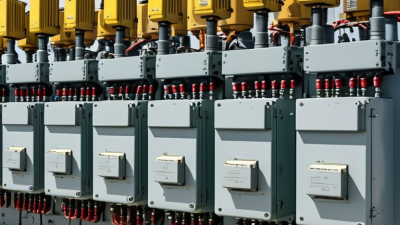
Picking the right Mv Switchgear manufacturer isn't just a box-ticking exercise. It affects safety, uptime, maintenance, and how much long-term value you get from the project. Global buyers don't just need glossy brochures. They need proof of performance, clear documentation, and technical support they can actually count on. This intro looks at some leading manufacturers serving industrial, commercial, utility, and renewable energy projects.
The review covers Siemens Energy, Schneider Electric, ABB, Eaton, Hitachi Energy, Mitsubishi Electric, and Hyundai Electric. Each one brings something different to medium-voltage distribution, protection, automation, and system integration. Their product ranges can include air-insulated switchgear, gas-insulated designs, ring main units, and digital monitoring solutions. Some suppliers also support Hv Switchgear projects, though their capabilities and service models can vary a lot.
When it comes to choosing, you really do need to compare carefully. Look at IEC compliance, type-test evidence, enclosure design, arc-flash protection, relay compatibility, spare-part access, and local commissioning support. Factory experience matters too. Even a well-designed panel can fall short if it's installed poorly, tested without discipline, or operated by people who haven't been trained properly. Site conditions can also change the decision. Dust, humidity, altitude, salt exposure, and limited maintenance access all deserve a closer look.
No ranking is ever perfect. A big brand may not be the best fit for every project. Sometimes regional service quality matters more than global reputation. And honestly, I'd question any comparison that relies only on price or catalog ratings. Field performance usually tells a different story. So this guide focuses on practical evidence, manufacturer capability, application suitability, and buyer confidence. In the end, the final choice should follow project risks, not marketing language.
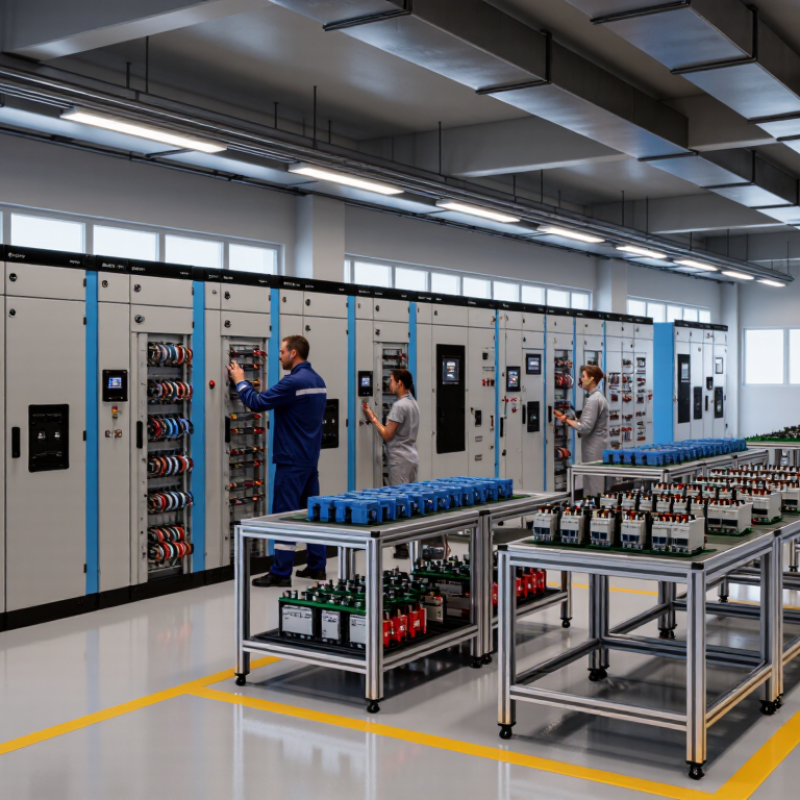
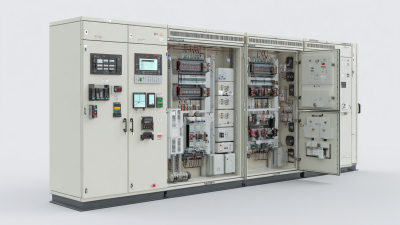
Medium-voltage switchgear controls, protects, and isolates electrical circuits typically operating above 1 kV and below 52 kV. It sits between power generation, transformers, and industrial equipment. Inside a metal enclosure, circuit breakers, disconnectors, busbars, sensors, and protective relays work together.
Its importance becomes clear during faults. A relay can detect abnormal current within milliseconds, while the breaker interrupts the circuit before heat damages cables or transformers. This protection supports safer maintenance and more stable Power Distribution. In factories, hospitals, data centers, and renewable-energy sites, one failed switching operation can interrupt critical services. Proper arc-resistant design, insulation coordination, and tested interlocking systems therefore deserve close attention.
Experience matters during selection. Ask suppliers for routine-test records, short-circuit ratings, service guidance, and clear drawings. Compare the enclosure’s IP rating with the installation environment. Dust, moisture, salt, and limited working space can change the correct specification. Lv Switchgear may suit lower-voltage applications, but it should not replace properly rated medium-voltage equipment. Check the voltage class carefully.
Tips: Confirm load current, fault level, and future expansion before requesting quotations. Inspect cable compartments and grounding points. Require training for operators. A checklist helps, but it is never perfect. Field conditions often expose assumptions that looked reasonable on paper. Reliable manufacturers should explain these limits clearly, not hide them behind impressive catalog numbers.
Medium-voltage switchgear controls, protects, and isolates electrical equipment in systems above 1 kV and generally up to 52 kV under IEC high-voltage switchgear standards. The chart shows common nominal distribution voltage levels used in medium-voltage networks; these levels influence insulation coordination, equipment ratings, protection settings, and procurement requirements.
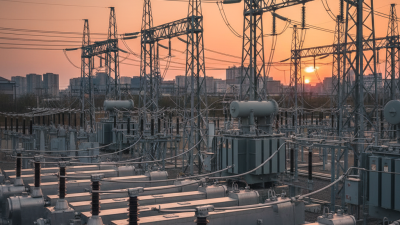
Common applications include industrial plants, utility substations, renewable-energy collection systems, commercial facilities, and infrastructure networks. Actual selection should be based on the local grid voltage, fault level, insulation requirements, enclosure type, and applicable IEC or ANSI standards.
Evaluating global medium-voltage switchgear manufacturers requires more than comparing price lists. The IEA’s Electricity 2024 report expects Global Electricity demand to grow by about 3.4% annually through 2026. IRENA also reported 473 GW of renewable capacity additions in 2023. These figures increase pressure on distribution networks and equipment reliability.
Start with technical evidence. Confirm compliance with IEC 62271-200, including internal arc classification, insulation levels, and temperature-rise testing. Match the panel’s voltage, current, and short-circuit ratings to the actual site fault study. Ask for certified type-test reports, routine-test records, and quality-control procedures. A clean brochure is not enough.
Inspect the factory if possible. Look at busbar assembly, cable-compartment spacing, torque control, and final inspection records. For Mv Switchgear, review service response times, spare-parts availability, and commissioning support in your region. Request references for similar climates, load profiles, and utility requirements. The cheapest offer may create expensive delays.
Digital monitoring deserves careful questioning. Ask what data is measured, where it is stored, and how alarms are verified. Cybersecurity claims should include practical controls, not attractive wording. Market forecasts can support planning, but they cannot replace field evidence. A spreadsheet can mislead. One overlooked humidity test or unclear warranty clause may matter more than a small purchase discount.
Anonymous technical and commercial benchmark for comparing medium-voltage switchgear suppliers worldwide
| Evaluation Dimension | Typical Global Benchmark | Relevant Technical Data | Verification Evidence | Importance for Buyers |
|---|---|---|---|---|
| Rated Voltage Range | Coverage of common MV distribution classes | 12 kV 17.5 kV 24 kV 36 kV | Type-test reports, datasheets, and single-line application drawings | Ensures the supplier can match the buyer’s utility, industrial, or infrastructure voltage system. |
| Rated Normal Current | Configurable current ratings for feeders, incomers, and bus sections | Common values include 630 A 1250 A 2000 A 2500 A 3150 A | Routine-test records, thermal calculations, and approved equipment schedules | Determines whether the switchgear can safely carry the continuous load without excessive temperature rise. |
| Short-Circuit Withstand | Fault-current capability suitable for modern distribution networks | Typical short-time withstand levels: 16 kA 20 kA 25 kA 31.5 kA 40 kA commonly specified for 1 or 3 seconds | Short-time withstand and peak withstand type-test reports | Protects equipment and personnel during system faults and supports correct protection coordination. |
| Applicable Standards | Compliance with internationally recognized MV switchgear standards | IEC 62271-1 general requirements; IEC 62271-200 AC metal-enclosed switchgear; IEC 62271-100 AC circuit-breakers; IEC 62271-102 disconnectors and earthing switches | Current certificates and complete type-test documentation from accredited laboratories | Provides a common technical basis for design review, acceptance testing, and international project approval. |
| Internal Arc Classification | Internal arc protection configured for the installation layout | Classification commonly stated by accessibility: A-FLR or A-FL; duration often specified as 1 second | Internal arc test report showing voltage, current, duration, and accessible sides | Reduces injury and equipment damage risks during internal arcing events. |
| Insulation Medium | Technology selected according to safety, maintenance, and environmental requirements | Air-insulated switchgear for maintainability; vacuum interrupters for circuit breaking; solid or gas insulation for compact installations | Product construction drawings, environmental declarations, and maintenance instructions | Affects footprint, service procedures, lifecycle cost, and environmental compliance. |
| Circuit-Breaker Technology | Vacuum circuit breakers are the dominant solution for indoor and outdoor MV applications | Typical mechanical endurance classes may include: M1 or M2; electrical endurance depends on the application category | Breaker type-test report, operating mechanism data, and endurance classification | Influences switching reliability, maintenance intervals, and suitability for frequent operation. |
| Protection and Control | Compatibility with modern numerical protection and automation systems | Overcurrent, earth-fault, under/overvoltage, breaker-failure, and communication functions; common interfaces include IEC 61850, Modbus, and hardwired I/O | Protection relay list, communication architecture, sample logic diagrams, and interoperability test results | Supports selective coordination, remote monitoring, and integration into substation automation systems. |
| Ingress Protection | Enclosure protection matched to indoor, outdoor, and service conditions | Common enclosure ratings: IP4X for protected indoor assemblies; IP54 or higher for more demanding environments | Ingress-protection test certificates and enclosure construction details | Helps prevent the entry of solid objects, dust, and water that can reduce operational reliability. |
| Environmental Suitability | Design verified for the project’s altitude, temperature, humidity, and pollution level | Typical design checks include ambient temperatures around −5 °C to +40 °C; altitude correction is generally required above 1000 m | Environmental design statement, derating calculations, heater requirements, and pollution-level assessment | Prevents insulation failure, condensation, overheating, and unexpected derating at the installation site. |
| Form of Separation | Internal compartmentalization appropriate to maintenance and operational risk | Common configurations include: Form 2 for basic separation; Form 3 for functional-unit separation; Form 4 for higher segregation | Assembly drawings and declaration of the verified internal separation form | Impacts maintenance safety, fault containment, downtime, and personnel access procedures. |
| Factory Quality Control | Documented design, production, and final inspection processes | Routine testing should cover power-frequency withstand, control wiring, mechanical operation, interlocks, and primary-circuit resistance | Quality certificates, inspection and test plans, routine-test records, and calibration certificates | Reduces manufacturing defects and provides traceability for each delivered panel or assembly. |
| Type-Test Scope | Complete verification for the exact or technically representative equipment configuration | Relevant tests may include temperature rise, dielectric withstand, short-circuit withstand, mechanical operation, internal arc, and ingress protection | Full reports identifying the tested voltage, current, enclosure arrangement, breaker type, and configuration limits | Prevents buyers from relying only on generic certificates that do not cover the proposed design. |
| Customization Capability | Ability to adapt layout and interfaces without compromising verified performance | Typical options include cable entry direction, busbar arrangement, metering, surge arresters, earthing switches, protection relays, and auxiliary voltage | Approved general arrangement drawings, interface schedules, and engineering change-control procedure | Improves compatibility with existing substations and reduces site modification work. |
| Delivery and Export Readiness | Structured international project execution and shipment documentation | Required documents may include packing lists, bills of materials, certificates of origin, inspection records, manuals, and preservation instructions | Previous export references, approved packing procedures, logistics plan, and document index | Reduces customs delays, transit damage, and installation problems at overseas project sites. |
| After-Sales Support | Local or regional support for commissioning, training, spare parts, and troubleshooting | Service scope should define response times, spare-part availability, commissioning personnel, and warranty duration | Service-level agreement, warranty terms, spare-parts list, and technician qualification records | Directly affects restoration time, operational availability, and long-term maintenance cost. |
| Lifecycle and Maintenance | Clear maintenance intervals and documented replacement procedures | Evaluation should cover operating mechanism inspection, relay testing, contact wear, interlock checks, insulation testing, and end-of-life procedures | Operation and maintenance manuals, recommended spare-parts schedule, and lifecycle cost model | Supports predictable ownership cost and safer long-term operation. |
| Environmental Responsibility | Lower-impact materials and transparent end-of-life practices | Review recyclable metal content, hazardous-material controls, insulation-medium information, energy use, and disposal instructions | Environmental product declaration, material declaration, recycling statement, and applicable compliance records | Helps meet sustainability policies, tender requirements, and local environmental regulations. |
Top MV Switchgear Manufacturers for Global Buyers?
Leading Manufacturer Categories and Regional Market Strengths
Global buyers usually compare three manufacturer categories: large electrical engineering groups, specialist medium-voltage switchgear producers, and regional panel builders. Large groups often provide complete systems, protection studies, commissioning support, and long-term service. Specialist producers may offer faster engineering changes and deeper expertise in vacuum circuit breakers, metal-clad panels, or gas-insulated designs. Regional builders can provide practical customization, local installation support, and shorter delivery routes.
Europe remains strong in advanced engineering, compact designs, and strict conformity testing. Manufacturers in this region commonly support IEC-based projects and detailed factory acceptance tests. North American suppliers often understand utility specifications, ANSI practices, and demanding service conditions. Asian manufacturing centers are competitive in production scale, component sourcing, and flexible configurations. Their quality can vary, so buyers should audit testing records rather than trust price alone.
The Middle East favors equipment designed for heat, dust, and limited maintenance access. South Asian suppliers often compete through customization and cost efficiency. No region wins every project. Field audits should check enclosure workmanship, busbar insulation, relay settings, and documented routine tests. Factory acceptance testing matters. So does after-sales response.
A low bid can hide engineering gaps, unclear spare-parts support, or weak documentation. That comparison is rarely clean. Buyers should verify type-test certificates, short-circuit ratings, environmental limits, and local service capacity before signing. Even experienced teams sometimes overlook cable termination space. That mistake becomes expensive onsite.
Modern medium-voltage switchgear relies on several technologies that improve safety, continuity, and maintenance decisions. Vacuum interrupters are widely used because they reduce arc duration and require limited contact maintenance. In compact assemblies, insulated busbars and sealed compartments help control moisture, dust, and accidental contact.
Digital protection relays now measure current, voltage, frequency, and fault conditions within milliseconds. Their settings must match the network, not simply the equipment rating. Incorrect coordination can trip an entire feeder after one local fault.
Arc-resistant enclosures, mechanical interlocks, and visible isolation points provide additional protection during switching and service work. Small details matter.
Condition monitoring adds another practical layer. Temperature sensors can identify loose connections before they create hot spots. Partial-discharge monitoring may reveal insulation deterioration, although sensor placement and background noise can affect results. Communication through industrial protocols supports remote supervision and maintenance records. Cybersecurity should not be treated as an optional feature. Access control, secure configuration, and network separation are essential.
In projects I have reviewed, specifications sometimes focus heavily on short-circuit ratings while overlooking cable termination space and future expansion. That is a costly weakness. Compliance with applicable standards, including IEC 62271 requirements, supports reliable evaluation, but documentation must reflect the installed system. Factory testing is valuable, yet site commissioning can expose wiring errors, incorrect relay settings, or poor grounding. Even advanced switchgear needs careful human verification.
For global buyers, compliance should guide every 33kv Switchgear evaluation. IEC 62271-200 addresses metal-enclosed switchgear for medium-voltage applications. IEC 62271-100 covers high-voltage alternating-current circuit breakers. These standards define testing, insulation performance, switching duties, and enclosure safety. A supplier should provide valid type-test reports from an independent, recognized laboratory. Factory routine-test records should match the exact production unit.
Look closely at arc-flash protection. Internal Arc Classification, or IAC, should reflect the installation’s access sides and operating conditions. Check interlocks, earthing switches, shutters, pressure relief paths, and mechanical endurance. An IP rating helps assess protection against dust and water, but it does not prove complete operational safety. That distinction is often missed. It matters.
Certification evidence needs careful review. ISO 9001 supports process control, while ISO 45001 indicates an occupational safety management system. Neither certification replaces product testing. Ask for drawings, material specifications, calibration records, and documented Factory Acceptance Test procedures. During inspection, verify wiring labels, busbar insulation, torque markings, and protective relay settings. A clean cabinet can still hide poor documentation. Site conditions may also expose weaknesses overlooked in factory testing. Humidity, altitude, pollution, and limited maintenance access should influence the technical specification. Some purchasing teams rely too heavily on certificates. Practical verification remains necessary.
Choosing an MV switchgear supplier requires more than comparing catalog prices. Global buyers should examine design experience, manufacturing controls, and after-sales capability. Ask for recent project references with similar voltage levels, fault ratings, and operating environments. Transformer Switchgear should match the transformer’s protection needs, not merely fit the connection drawings. Review type-test reports, routine-test procedures, and certificates from recognized laboratories. A factory visit can reveal wiring quality, labeling discipline, and testing equipment that brochures often hide.
Tips: Build a weighted supplier scorecard. Include technical compliance, delivery reliability, documentation quality, spare-parts access, and service response time. Request a sample inspection and factory acceptance test plan before signing. Check whether the supplier can support local installation teams. Small details matter.
Price deserves attention, but the lowest quotation may create expensive delays. Compare the total ownership cost, including commissioning, training, maintenance, and replacement parts. Confirm enclosure protection, insulation levels, busbar material, cable access, and performance under heat, dust, or humidity. Clarify how design changes are controlled after approval. I have seen projects slow down because one drawing revision was missed. That lesson is easy to ignore. Supplier stability also matters. Review production capacity, quality records, warranty terms, and communication habits. The right partner should explain limitations clearly, provide traceable documents, and respond with evidence rather than confident promises.
Check voltage, current, short-circuit ratings, and site fault-study results. A cheap offer can hide missing tests, weak support, or unclear warranty terms. Price alone misleads.
Request certified type-test reports, routine-test records, and quality-control procedures. Check internal arc classification, insulation levels, and temperature-rise results. A polished brochure is not evidence.
Inspect busbar assembly, cable-compartment spacing, torque control, and final inspection records. Look for physical details. Small gaps matter. Also review how workers record defects and corrections.
Compare engineering depth, customization, delivery routes, and local installation support. Ask for projects with similar climates, load profiles, and utility requirements. Regional experience helps, but it does not guarantee quality.
Confirm suitability for heat, dust, humidity, and restricted maintenance access. Request evidence from similar operating environments. One overlooked humidity test can create future insulation problems.
Vacuum interrupters, insulated busbars, sealed compartments, and arc-resistant enclosures can improve safety. Mechanical interlocks and visible isolation points also support safer maintenance. These features still require correct installation.
Ask which data is measured, where it is stored, and how alarms are verified. Temperature sensors may reveal loose connections and hot spots. Partial-discharge monitoring can help, but sensor placement and background noise may affect results.
Relay settings must match the network, not only the equipment rating. Poor coordination may disconnect an entire feeder after one local fault. Site commissioning should verify wiring, grounding, and settings.
Confirm response times, spare-parts availability, commissioning support, and regional service capacity. Ask for clear commitments. I would still verify them with references. A spreadsheet cannot replace field evidence.
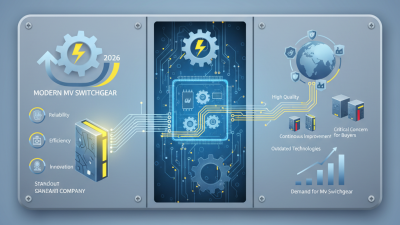
This guide explains why Mv Switchgear is essential for safely controlling, protecting, and distributing electrical power in medium-voltage networks. It introduces the main equipment types, operating principles, and practical benefits, while highlighting the factors global buyers should consider when evaluating manufacturers. These include engineering capability, product reliability, production quality, customization options, technical support, delivery performance, and experience with international projects.
The article also reviews leading manufacturer categories and regional market strengths, along with modern technologies such as vacuum interruption, intelligent monitoring, digital protection, automation, and compact insulation designs. It outlines the importance of industry standards, certifications, testing procedures, and workplace safety requirements. Finally, it provides a practical framework for comparing suppliers, assessing lifecycle value, verifying compliance, and selecting a reliable long-term partner whose Mv Switchgear solutions match the project’s voltage level, operating environment, maintenance strategy, and expansion needs.